
How Does Proactive Snow Removal in Scotch Plains, NJ Reduce Winter Slip-and-Fall Risks?
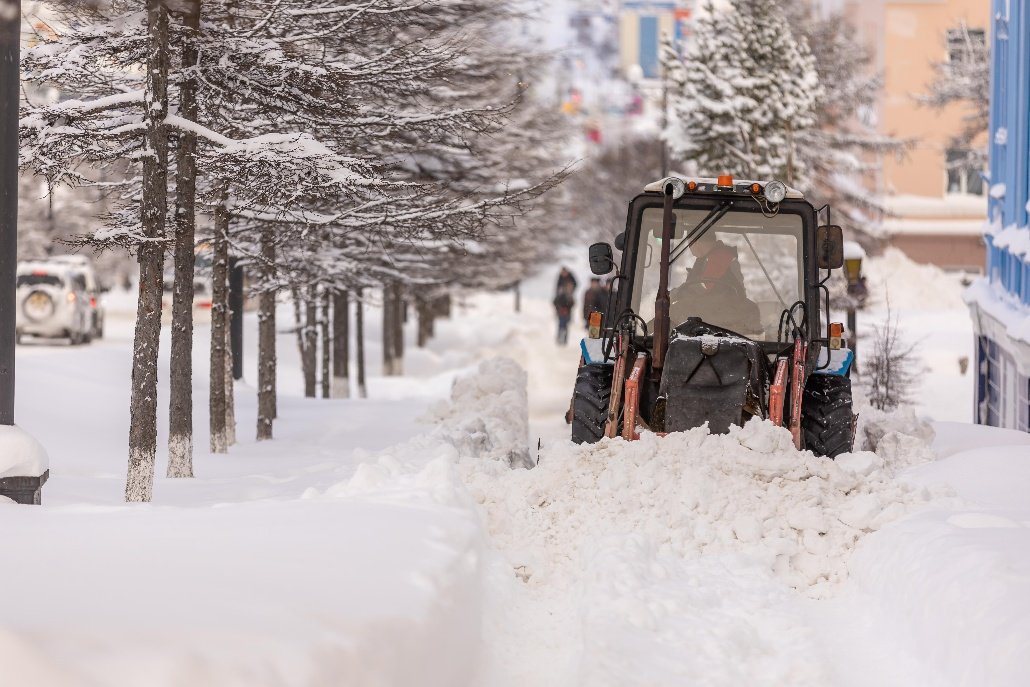
Winter in Union County hits hard and fast. A quiet snowfall can quickly turn your parking lot into a slippery skating rink. For business owners, winter storms mean big safety worries. Slips and falls are the top cause of winter injuries on commercial grounds. When the temperature drops fast, waiting around is a bad move. You need to jump ahead of the storm. Getting reliable snow removal in Scotch Plains, NJ keeps your walkways safe and saves you from massive legal headaches.
Staying ahead of the storm is the best way to protect everyone on your property. Early action keeps your doors open and your customers safe. When snow starts falling, quick action makes all the difference. You do not want visitors slipping on hidden ice right outside your front door. Taking care of winter weather early gives you peace of mind all season long.
Beat the Storm to the Punch
Waiting for a blizzard to wrap up before you start clearing is a major mistake. By the time heavy trucks show up, foot traffic has packed the snow tight. That packed snow turns into thick, rock-hard ice in no time. Once that ice sticks to the pavement, getting it off is a real nightmare.
Proactive care changes the whole game. Smart crews keep a close eye on the weather clock around the hour. They roll out well before the first snowflake hits the ground. Putting down liquid anti-icers early creates a shield on the road. This shield stops snow from bonding to the ground. That means clearing the mess later is a walk in the park.
Nip Ice in the Bud
Pre-treating your grounds is your best line of defense against nasty ice patches. Applying liquid brine or salt mix lowers the freezing point of water on contact. That means water cannot freeze up easily even when the temperature plummets.
This early treatment stops ice from gluing itself to your concrete. It lets plows scrape the ground clean down to the asphalt without extra hassle. You also end up using way less heavy salt overall. That saves you money and protects your lawn. Crews can focus on risky spots like steps, ramps, and dark corners.
Comparing Your Options Side by Side
Checking out the differences between acting early and waiting around helps you make a smart call. The table below shows how these two options stack up across key safety factors.
| Feature / Metric | Proactive Winter Strategy | Reactive Winter Strategy |
|---|---|---|
| Surface Safety | High (prevents ice bond creation) | Low (clears after ice has bonded) |
| Response Time | On-site before or as snow starts | Delayed until storm ends or plows arrive |
| Total Salt Usage | Lower (targeted, efficient application) | Higher (heavy post-storm application) |
| Refreeze Risk | Low (continuous monitoring & treatment) | High (standing melted water refreezes) |
| Property Damage Risk | Low (gentler clearing on surfaces) | High (scraping hard ice damages asphalt) |
Three Steps to Keep Paths Clear
Keeping your paths safe takes a clear step-by-step routine during every big storm. First, crews track local radar and spread liquid anti-icer on dry ground hours before the storm lands. This smart move keeps the very first layer of snow from sticking tight.
Second, plows clear the parking lots constantly while hand crews shovel sidewalks, steps, and ramps. Third, crews spread eco-friendly melt mixes to catch lingering wet spots. They keep checking the grounds so melting snow does not turn into dangerous black ice overnight.
Keep High-Traffic Zones Safe
Certain spots on your property see a ton of foot traffic every single day. Front doors, handicap ramps, and loading docks take a heavy beating. When folks drag slush inside on their boots, entryways turn into slick hazards fast.
Proactive teams do not just clear main driving lanes. They clear walkways from curb to curb and pile snow far away from walking paths. According to research from the Occupational Safety and Health Administration (OSHA), keeping walkways clean and dry is vital for stopping workplace falls. Using top-notch snow removal in Scotch Plains, NJ keeps those busy paths safe all day long.
Protect Your Property with Trusted Local Experts
Do not wait for cold weather to put your guests in harm's way. At Snow Patrols LLC, our experienced team delivers reliable winter care tailored to your business site. We watch the weather closely to keep your walkways, lots, and doors clear. Reach out to Snow Patrols LLC today to get your free winter quote!
Frequently Asked Questions
What is the difference between anti-icing and de-icing?
Anti-icing goes down before a storm hits to stop snow and ice from sticking. De-icing happens after snow falls to melt existing ice and hard packed snow.
Why is black ice so dangerous for commercial properties?
Black ice is hard to spot because it blends right in with black asphalt. It forms fast when melted snow refreezes, catching walkers off guard and causing hard falls.
How early should snow pre-treatment be applied?
Liquid pre-treatments usually go down 24 to 48 hours before a storm starts. This timing lets the liquid dry on the road so it can melt falling snow fast.
Will heavy salting damage concrete sidewalks and landscaping?
Using too much granular salt can crack concrete and ruin nearby grass and plants. Precise liquid brine uses much less salt, keeping your concrete and plants safe.
When should a commercial property owner sign a winter contract?
It is smart to sign a winter agreement during late summer or early fall. Locking in early secures your spot and gives crews time to inspect your site.